
Canada on fire: The catastrophic and escalating effects of wildfires on lives and communities
Merci d'avoir choisi Automatic Translation. Nous proposons actuellement des traductions de l'anglais vers le français et l'allemand. D'autres langues de traduction seront ajoutées dans un avenir proche. Veuillez noter que ces traductions sont générées par un service logiciel d'IA tiers. Bien que nous ayons constaté que les traductions sont généralement correctes, elles peuvent ne pas être parfaites dans tous les cas. Pour vous assurer que les informations que vous lisez sont correctes, veuillez vous référer à l'article original en anglais. Si vous trouvez une erreur dans une traduction que vous souhaitez porter à notre attention, il nous serait très utile que vous nous en fassiez part. Nous pouvons corriger n'importe quel texte ou section, dès que nous en avons connaissance. N'hésitez pas à contacter notre webmaster pour nous faire part de toute erreur de traduction.
OTTAWA — June 10, 2026 — The Canadian Senate Committee on Agriculture and Forestry have released its new report on wildfires at a news conference on Parliament Hill, highlighting the growing impact of extreme fire seasons on Canada’s agriculture and forestry sectors.
Download the full report above or read it online here
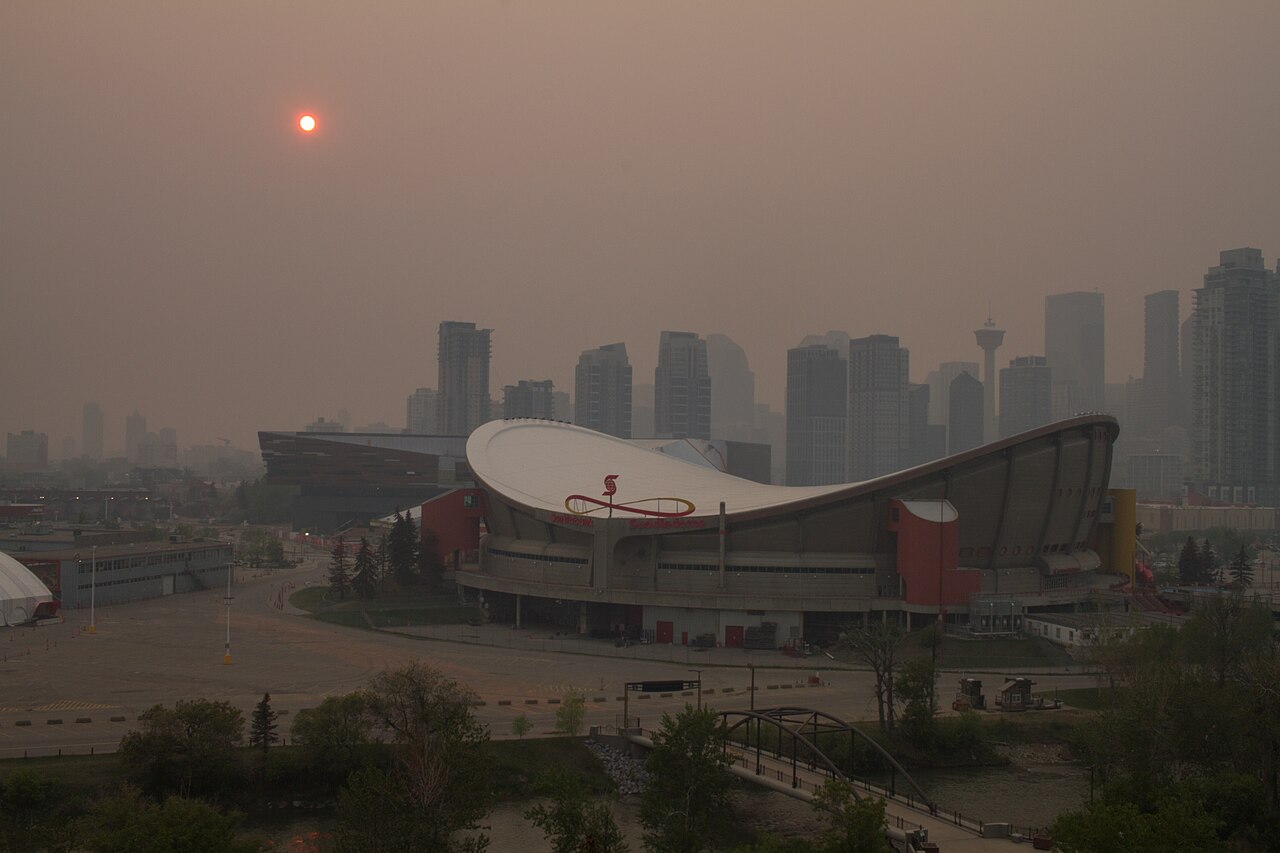
Photo Credit: Wikipedia Creative Commons License

As the Hill Times report, senators are calling on the federal government to create a national wildfire agency and firefighting fleet to tackle what a new Senate committee report is calling an “escalating" national crisis.
Committee members Sen. Mary Robinson, Sen. John M. McNair, and Sen. Manuelle Oudar outlined the report’s findings and recommendations, emphasizing the need for stronger federal–provincial coordination, improved land‑management practices, and expanded support for rural communities facing escalating wildfire risks.
Ken McMullen, president of the Canadian Association of Fire Chiefs (also the Canadian body of CTIF) addressed reporters, underscoring the operational pressures on fire services and calling for sustained investment in prevention, training, and equipment as wildfire seasons intensify across the country.
According to an article on the Energymix.com, the committee’s report comes amid record‑setting fire activity in several provinces and growing concern over the long‑term economic and environmental consequences for Canada’s primary industries.
Senate committee is urging the federal government to create a national office to co‑ordinate wildfire response and to fund a new fleet of modern firefighting aircraft, saying Canada’s current system is too slow and fragmented to meet escalating fire risks.
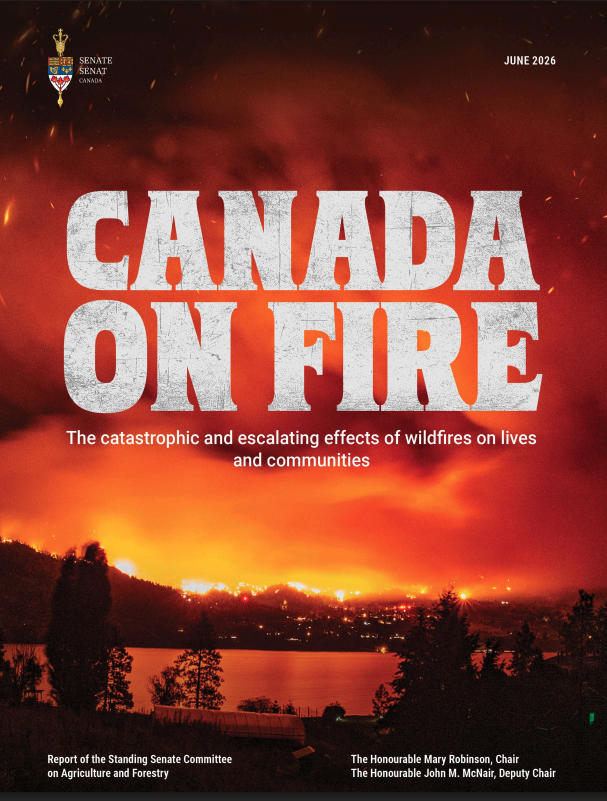
The recommendations are part of a 15‑point report released by the Senate Committee on Agriculture and Forestry.
As Global News reported: “We heard that Canada is the only country in the G7 that does not have a seat at the federal table, more or less, to manage and talk about and co-ordinate fire response,” Sen. Mary Robinson, the committee chair, told The Canadian Press.
Committee members said the current model — where fires escalate from municipal to provincial to federal responsibility — causes delays during critical early hours.
Sen. John McNair warned that the step‑by‑step process leads to “inconsistent planning, delayed response times and sporadic access to equipment and personnel.”
Ken McMullen, president of the Canadian Association of Fire Chiefs, said a federal office would “make a dramatic difference” by enabling national co‑ordination of municipal assets.
The report also calls for the Canadian government to establish and fund a national fleet of firefighting aircraft. The federal government recently announced it would lease 10 aircraft for the summer, but Robinson said leasing is insufficient and that Canada needs a long‑term aviation strategy to respond to increasingly destructive fire seasons.
The committee further recommends a national reforestation policy to restore burned areas. Ottawa previously cut planned tree‑planting funds as part of budget reductions.
Federal Emergency Management Minister Eleanor Olszewski said she had not yet reviewed the report but would respond after reading it.
Photo Credit:
Wikipedia Creative Commons License
In May 2023 wildfires in northern Alberta, Canada caused significant impact on air quality as thick smoke engulfed areas across Canada and the United States. On May, 17th, 2023, the day this photograph was taken, the Air Quality Health Index from the Government of Canada measured 10+, the highest rating possible.
Date 17 May 2023
Author: Dwayne Reilander
Further Reading:
https://globalnews.ca/news/11898812/senate-committee-report-on-wildfire-response/?
Tracking Wildfires in Canada:
https://www.cbc.ca/newsinteractives/features/wildfires-tracker-canada?